
Main Article Headline |
Southern California regulators approve a major expansion of incentives for advanced heat pumps, giving homeowners another reason to explore technology that can heat and cool their homes more efficiently. |
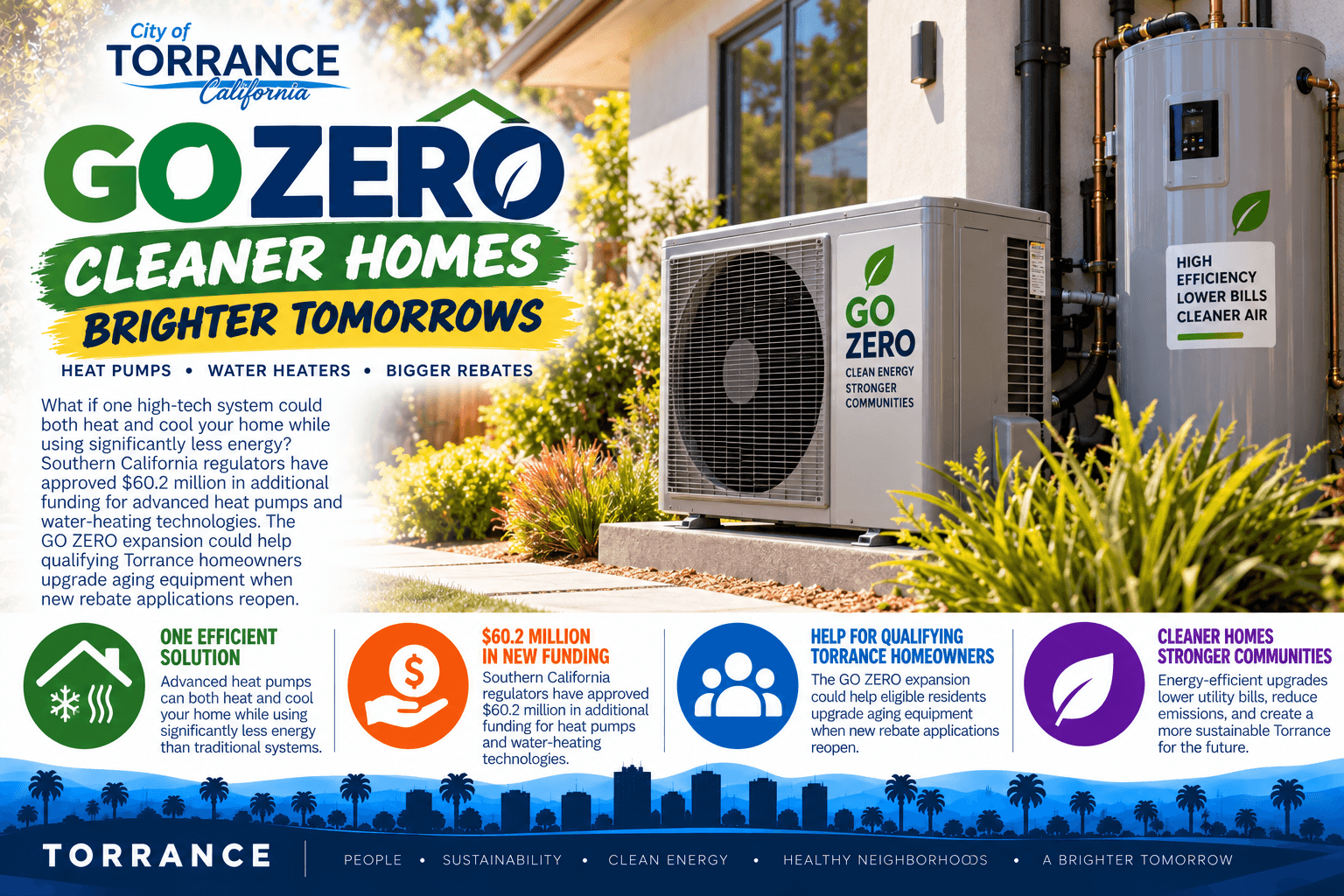
The Next Big Home Upgrade Might Be Something You've Never Considered When homeowners think about high-tech improvements, smart doorbells, security cameras, and automated lighting often come to mind. But one of the most consequential advances in residential technology is happening behind the scenes—in the systems that heat our homes and provide hot water. Modern electric heat pumps can heat and cool a house using a single system, often with substantially greater energy efficiency than conventional heating equipment. And a newly approved Southern California incentive program could help make this technology more affordable. On October 2, 2026, the South Coast Air Quality Management District (South Coast AQMD) approved $60.2 million in additional funding for its GO ZERO incentive program. The expansion will support qualifying homeowners, multifamily properties, and small businesses replacing conventional gas or propane equipment with cleaner alternatives. How Does a Heat Pump Actually Work? Here's the fascinating part: a heat pump doesn't create heat in the same way a traditional gas furnace does. Instead, it uses electricity to move heat from one place to another. During cooler weather, it transfers heat from outdoor air into the home. During warmer weather, it reverses the process, moving heat from inside the house outdoors. That means a single system can provide both heating and air conditioning. South Coast AQMD reports that modern heat pumps can operate approximately three to four times more efficiently than traditional gas heating systems, although actual performance depends on the equipment and operating conditions. The Technology Isn't Limited to Air Conditioning Heat pump technology can also heat water. Instead of relying on a conventional gas burner or electric resistance heating element, a heat pump water heater transfers heat from the surrounding air into a water-storage tank. The result can be significantly lower energy consumption, particularly compared with standard electric resistance water heaters. However, installation requirements vary. Some properties may need electrical upgrades, additional space, or modifications to accommodate ventilation, drainage, and equipment placement. For homeowners considering an upgrade, a qualified contractor should evaluate the existing system before recommending a replacement. What Does the New $60.2 Million Program Cover? GO ZERO Phase 2 expands a program originally launched to encourage cleaner heating technology throughout the South Coast region. The newly approved funding includes:
The new phase also broadens eligible technologies to include qualifying solar water heaters and smaller heat pump systems, including certain mini-split and window units. At least 75% of single-family and multifamily rebate funding will be prioritized for applicants in designated overburdened communities. How Much Could Homeowners Receive? South Coast AQMD has announced new rebate ranges for Phase 2.
Multifamily properties will be subject to a $300,000 rebate cap per property. The amount available to an individual homeowner will depend on eligibility, equipment type, program requirements, and funding availability. Importantly, these rebates are not currently open for new single-family or multifamily applications. The district says the application portal will relaunch, but has not announced a confirmed date. Could This Technology Lower Your Utility Bills? Potentially, but savings aren't guaranteed. Heat pumps can reduce the energy needed to provide heating and cooling. Whether that produces lower utility bills depends on several factors:
For some households, the combination of improved comfort and lower energy consumption may make an upgrade attractive. For others, the upfront expense could outweigh the financial benefits. The best approach is to compare total installation costs and estimated operating expenses rather than relying on promotional savings claims. What Should Torrance Homeowners Do Now? If your furnace, air conditioner, or water heater is approaching replacement age, this is a useful opportunity to investigate alternatives. Before purchasing equipment:
The new phase is expected to recognize certain qualifying installations dating back to September 4, 2026, but homeowners should not assume that a previously purchased system will automatically qualify. A Glimpse Into the Future of Torrance Housing As residential technology evolves, homes are becoming more sophisticated in ways that aren't always visible. High-efficiency heating, advanced water heating, home energy management, and distributed power systems are changing how households use electricity. For Torrance homeowners, the latest GO ZERO funding announcement creates an opportunity to learn about one of these technologies before the next major equipment replacement becomes necessary. And with new incentives on the horizon, understanding the options now could make the next home upgrade a more informed decision. The smartest home improvements aren't always the ones you can see. Sometimes, they're the systems quietly working behind your walls. Check current program status and sign up for updates on the official South Coast AQMD GO ZERO website.
|
0 Comments
Join the conversation
Be the first to comment
Share your thoughts above.